
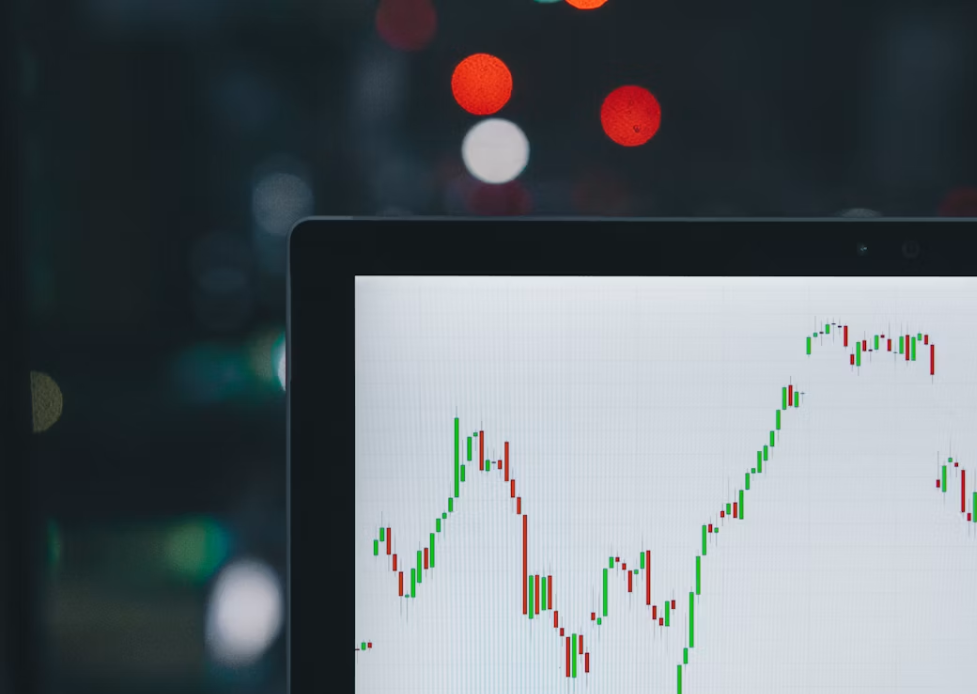
The tools, strategies, and brokers that help forex traders achieve their goals
Forex trading is the largest and most popular trading environment in the world, with a whopping $7 trillion traded on a daily basis. Retail traders are particularly drawn to the market as a result of its high liquidity and 24/5 accessibility. The fact that you can begin investing with only a small amount of capital plays a huge role as well. However, just because the ecosystem is well-known and many have been loyal investors for a long time, it doesn’t mean that you don’t need a strategy. Ensuring that you work with the best tools and plans available to you is the best way to increase your odds of success and ensure that you manage to yield revenue over the long term.
Finding the best broker
Finding the best forex broker is no simple task. There are many different options out there that you can choose from, especially now that the market has become so large and the demand has resulted in more platforms showing up as well. Working with a service that allows you to compare high leverage forex brokers, such as FX-List, gives you the opportunity to analyze the offers of many different services and choose the one that suits you best, depending on your requirements and financial expectations. You’ll be guided towards the offers that make the most sense for you as well.
For instance, if you want to trade in high volumes and take the scalper route, you’ll need a high-leverage forex broker. However, you also need to remember that while the low margin requirement gives you a stellar opportunity to make quick profits, it opens the door to very substantial losses as well. Worst-case scenario, your entire account can end up being wiped out. Before engaging in any kind of trading, you need to be able to perform a few basic calculations so that you can determine if a certain market or game plan is truly the right option for you.
The broker you choose must be fully regulated and entirely transparent about the way in which they handle rules and laws. Online directories are also helpful because they allow you to compare based on detailed reviews as well. Knowing about the experiences of previous investors is crucial when entering a trading environment for the first time. Educational guides, including spreads, trading conditions, and leverage, are included too. Another thing you should look into is the account type and the accepted regions from which you can trade.
Trading costs, user experience, and overall reliability are similarly covered, as is market analysis, a feature that is heavily used by and beneficial for both beginners and veteran traders.
Delve into the strategies
best forex trading strategy depends on your personal requirements and expectations. Your schedule, risk tolerance, and the general psychology you have surrounding trading will play key roles. While they might change in the future, it’s essential to get started with conditions that feel comfortable to you, or trading will be unnecessarily stressful and simply not worth it. Evaluating all these aspects before settling on a strategy is paramount. Moreover, you should also consider testing the chosen method on a demo account before you consider risking actual capital on an investment.
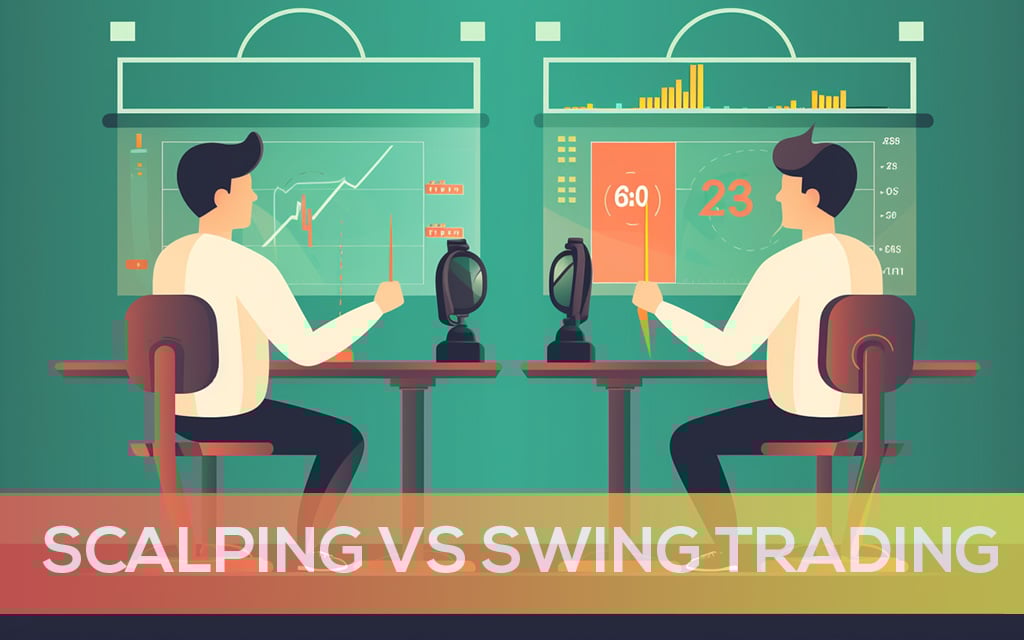
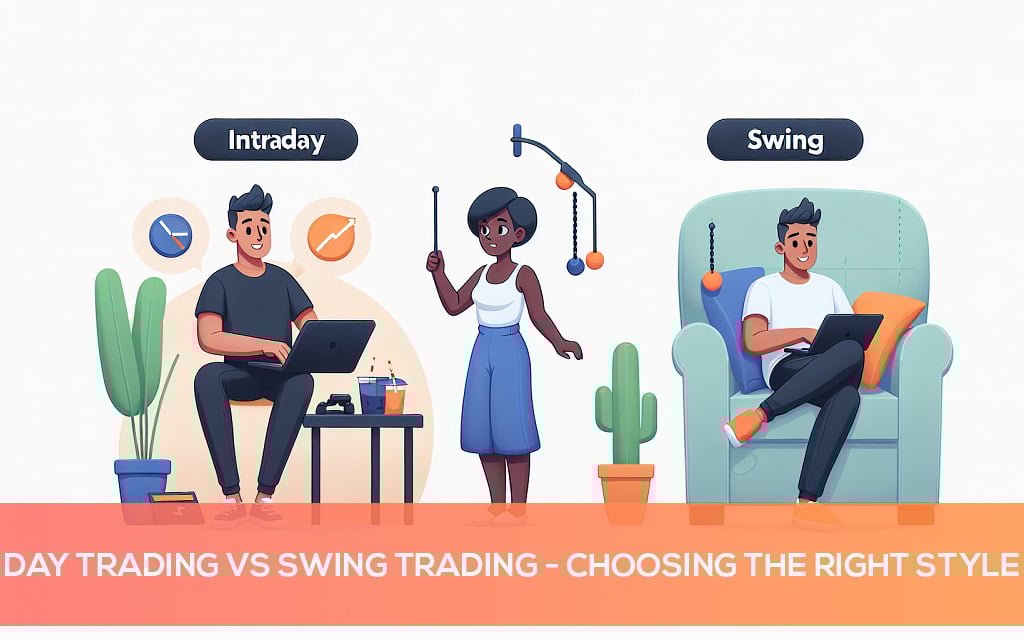
Scalping is the fastest choice since it involves holding trades for only a few minutes or even seconds. While quick, it also requires a lot of focus, tight spreads, and the ability to make decisions during peak liquidity hours. Day trading refers to opening and closing positions on the same day in order to bypass overnight rollover fees. You’ll have to analyze 15-minute or 1-hour charts and require several hours to monitor shifts and movements in the markets.
Swing trading is a strategy that involves holding the same positions for several days or even weeks in order to capture the broader market moves. You need patience for this one, but it’s a good idea if your job or daily schedule doesn’t allow you to spend a lot of time looking at charts because you only have to check them once a day. Lastly, position trading is based on the analysis of long-term weekly or monthly charts, requiring discipline and a comprehensive understanding of macroeconomic fundamentals.
Managing risks while trading
All investments carry a certain degree of risk, which is why you need to be careful in order to minimize losses as much as possible. Use stop-loss order limits to define your exit points ahead of entering traders in order to remove emotion and reactivity from the execution. Place yours at a logical technical level, such as below the support zone, or use an ATR indicator to account for the market volatility. Set Take-Profit to lock the gains when the price achieves the predetermined target, and you’ve already removed a large portion of the risk.
Then there’s the 1% rule, which dictates that you should never risk more than 1% of your total trading capital on a single position. Doing so ensures that you’re never exposed to an inordinate amount of risk since even if you lose, you won’t end up struggling with losses that wipe out the entire account. Taking the steady approach guarantees that you enjoy continuity and can continue trading over the long term. Another factor you can consider is the RRR, or risk-reward ratio, so that the potential profit of a trade is always at least double the amount of the potential losses.
Take your account balance, risk limits, and stop-loss distances into account so that your losses remain more or less fixed in spite of the volatility exhibited on the market. Make sure to manage the leverage as well, since it has the potential to amplify both the gains and the losses. Conservative leverage is often used by investors who seek to avoid forced liquidations and margin calls.
In conclusion
Forex trading is very attractive for investors, but it is crucial to understand how the market works in order to avoid risks. Substantial gains are possible, but losses are just as likely if you don’t know how to handle the conditions of this environment. Make sure to trade exclusively through regulated brokers and take your time to learn the basics of currency pairs, global economies, and chart reading, especially if you’re a beginner. It can make all the difference between success and failure.







Leave a Reply